
Showing 1–9 of 9 hospitals

1 Hospital Angeles Tijuana
P.º de los Héroes 10999, Zona Urbana Rio Tijuana, 22010 Tijuana, B.C., Mexico
2 NewCity Hospital
P.º del Centenario 9580-Piso 3 (H, Zona Urbana Rio Tijuana, 22010 Tijuana, B.C., Mexico
3 Hospital Blue & Medical Tower
Vía Ote. 9750, Zona Urbana Rio Tijuana, 22010 Tijuana, B.C., Mexico
4 Hospital HMN
Av. Diego Rivera 2312, Zona Urbana Rio Tijuana, 22010 Tijuana, B.C., Mexico
6 CORE Medical & Surgery Center
Blvd. Padre Kino, Cuauhtemoc, 10014 Tijuana, B.C., Mexico

7 Baja Health Cluster
Misión de Sto. Tomas 2812, Zona Urbana Rio Tijuana, 22010 Tijuana, B.C., Mexico
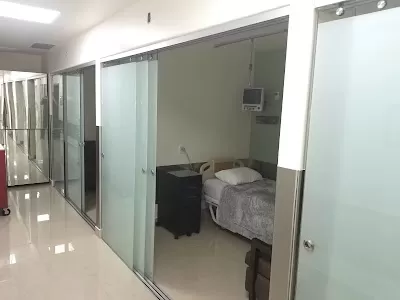
8 R3 Stem Cell Mexico
David Alfaro Siqueiros 2643-Local 106, Zona Urbana Rio Tijuana, 22010 Tijuana, B.C., Mexic...
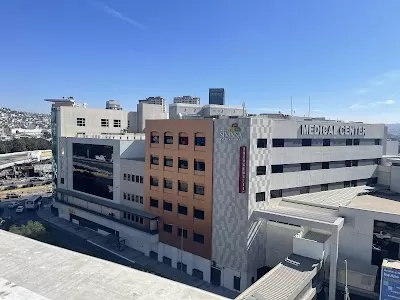
9 Hospital SIMNSA Internacional
Av de la Amistad 9002, Zona Urbana Rio Tijuana, 22010 Tijuana, B.C., Mexico
Need help choosing the right hospital?
Our medical experts will guide you — for free.
Cardiology in Tijuana at a glance
MapHospitals lists 9 hospitals offering Cardiology in Tijuana.
Hospitals to compare first: R3 Stem Cell Mexico, Baja Health Cluster and Hospital SIMNSA Internacional.
Estimated costs in Tijuana
- Angioplasty $4,956–$11,556
- CABG (Bypass Surgery) $8,278–$19,833
- Pacemaker Implantation $6,611–$16,500
Estimates from the MapHospitals cost estimator. Final prices depend on the hospital, the doctor and your case.
Frequently Asked Questions
About Cardiology Treatment in Tijuana
Cardiology deals with the heart and vascular system. Cardiologists are the one who specializes in cardiology and treat patients who have suffered heart attacks or in other words, cardiac arrests & other conditions. In addition, they also treat the patients who were born with cardiac issues and try to prevent heart disease.
Cardiology is also happened to be one of the most competitive medical specialities. For an individual to qualify as a cardiac surgeon or a cardiologist, surgeons and doctors must complete a cardiac surgery training programme that normally lasts around 5 years which is followed by their initial medical training.
Branches of cardiology:
Non-invasive cardiology - Detecting and diagnosing cardiac problems using latest techniques. Interventional cardiology - Treating heart problems by inserting tubes or catheters into the body of a patient.
However, cardiologists will normally be trained in both interventional and non-invasive techniques and deal with patients who have been fitted with pacemakers.
Treatments: Ablation, Angioplasty & Stenting, Cardiac Rehabilitation. Coronary Artery Bypass Grafting, Heart Transplant, Heart Valve Repair, Heart Valve Replacement, Implantable Defibrillator, Orthopedics Atherectomy.