
Top 3 Gastroenterologists in South Korea (2026)
3 hospitals found · Compare & get free consultation
Showing 1–3 of 3 hospitals

1 Samsung Medical Center
81 Irwon-ro, Gangnam-gu, Seoul
2 Asan Medical Center
88 Olympic-ro 43-gil, Songpa-gu, Seoul
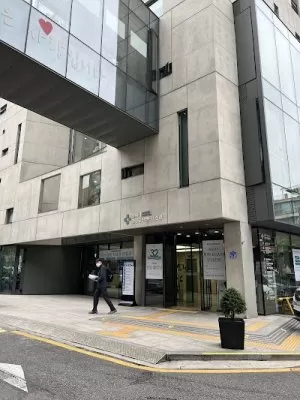
3 Hansol Hospital
445 Songpa-daero, Songpa District, Seoul, South Korea
Need help choosing the right hospital?
Our medical experts will guide you — for free.
Gastroenterology in South Korea at a glance
MapHospitals lists 3 hospitals offering Gastroenterology in South Korea.
Hospitals to compare first: Hansol Hospital, Samsung Medical Center and Asan Medical Center.
Accreditations recorded on their profiles: JCI (2) and Korean Hospital Accreditation (2).
Besides English, staff at some of these hospitals speak Korean, Chinese, Arabic and Russian.
Estimated costs in South Korea
- Appendectomy (Laparoscopic) $3,297–$8,768
- Gallbladder Removal (Cholecystectomy) $4,399–$11,014
- Liver Transplant $55,000–$121,014
Estimates from the MapHospitals cost estimator. Final prices depend on the hospital, the doctor and your case.
Frequently Asked Questions
About Gastroenterology Treatment in South Korea
The study of regular function as well as diseases of the stomach, colon and rectum, gallbladder, esophagus, small intestine, bile ducts, pancreas, and liver is called as Gastroenterology.
A gastroenterologist ought to have a detailed understanding of the normal physiology of the organs that are above mentioned and s/he motility through the intestines as well as the gastrointestinal tract to maintain a healthy digestion, removal of waste, absorption of nutrients, and metabolic processes.
Gastroenterologists treat conditions like gastrointestinal cancer, gastrointestinal bleeding, anaemia – this is a condition where the haemoglobin (the pigment that carries oxygen ) is below normal levels, ulcerative colitis - an ulceration and inflammation of the lining of the rectum and colon, viral hepatitis, inflammatory bowel disease, for instance, Crohn’s disease, jaundice – this is a condition where your skin yellows due to an accumulation of bilirubin and tissues, short bowel syndrome, management of alcoholic, and autoimmune liver disorders (where the body attacks its own cells).
Treatments: Gastrectomy, Colonoscopy, ERCP(Endoscopic Retrograde Cholangio Pancreatography), Endoscopic Ultrasound, Liver Biopsy, Cryosurgery, Pancreatectomy, Esophagectomy, Cyberknife Radiosurgery, Open Inguinal Hernia Repair, Open Ventral, Hernia Repair.