
Top 6 Cardiologists in South Korea (2026)
6 hospitals found · Compare & get free consultation
Showing 1–6 of 6 hospitals

1 Samsung Medical Center
81 Irwon-ro, Gangnam-gu, Seoul
2 Asan Medical Center
88 Olympic-ro 43-gil, Songpa-gu, Seoul
3 Severance Hospital (Yonsei)
50-1 Yonsei-ro, Seodaemun-gu, Seoul

4 Hallym University Kangnam Sacred Heart Hospital
1 Singil-ro, Yeongdeungpo District, Seoul, South Korea

5 Severance Cardiovascular Hospital
50-1 Yonsei-ro, Seodaemun-gu, Seoul, South Korea
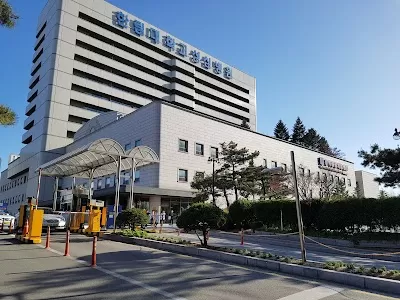
6 Hallym University Sacred Heart Hospital
22 Gwanpyeong-ro 170beon-gil, Dongan-gu, Anyang, Gyeonggi-do, South Korea
Need help choosing the right hospital?
Our medical experts will guide you — for free.
Cardiology in South Korea at a glance
MapHospitals lists 6 hospitals offering Cardiology in South Korea.
Hospitals to compare first: Hallym University Kangnam Sacred Heart Hospital, Severance Cardiovascular Hospital and Hallym University Sacred Heart Hospital.
Accreditations recorded on their profiles: JCI (3) and Korean Hospital Accreditation (2).
Besides English, staff at some of these hospitals speak Korean, Chinese, Russian and Japanese.
Estimated costs in South Korea
- Angioplasty $6,601–$15,435
- CABG (Bypass Surgery) $11,014–$26,377
- Pacemaker Implantation $8,768–$22,029
Estimates from the MapHospitals cost estimator. Final prices depend on the hospital, the doctor and your case.
Frequently Asked Questions
About Cardiology Treatment in South Korea
Cardiology deals with the heart and vascular system. Cardiologists are the one who specializes in cardiology and treat patients who have suffered heart attacks or in other words, cardiac arrests & other conditions. In addition, they also treat the patients who were born with cardiac issues and try to prevent heart disease.
Cardiology is also happened to be one of the most competitive medical specialities. For an individual to qualify as a cardiac surgeon or a cardiologist, surgeons and doctors must complete a cardiac surgery training programme that normally lasts around 5 years which is followed by their initial medical training.
Branches of cardiology:
Non-invasive cardiology - Detecting and diagnosing cardiac problems using latest techniques. Interventional cardiology - Treating heart problems by inserting tubes or catheters into the body of a patient.
However, cardiologists will normally be trained in both interventional and non-invasive techniques and deal with patients who have been fitted with pacemakers.
Treatments: Ablation, Angioplasty & Stenting, Cardiac Rehabilitation. Coronary Artery Bypass Grafting, Heart Transplant, Heart Valve Repair, Heart Valve Replacement, Implantable Defibrillator, Orthopedics Atherectomy.