
Showing 1–13 of 13 hospitals

1 P.D. Hinduja National Hospital And Medical Research Centre
Andheri (E), Mumbai



4 Kokilaben Dhirubhai Ambani Hospital
Andheri West

5 Wockhardt Hospitals
Near Agripada Police Station,Mumbai Central (E),


7 Jaslok Hospital & Research Centre
Pedder Road, Mumbai


9 Apollo Spectra Hospitals,Chembur
Chembur, Mumbai

10 Bhatia Hospital
Bhatia Hospital Tardeo Road, Mumbai

11 Lilavati Hospital And Research Centre
A-791, Bandra Reclamation Rd, General Arunkumar Vaidya Nagar, Bandra West, Mumbai, Maharas...
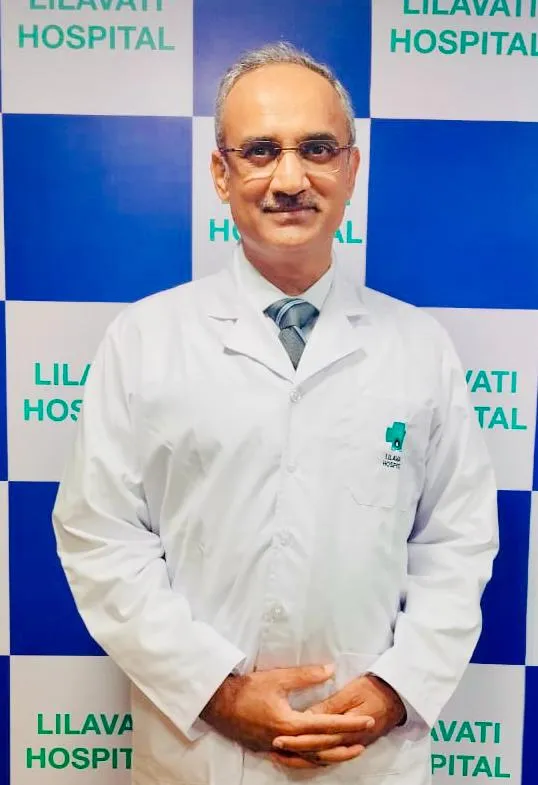
13 Dr. Vishal Khullar | Best Cardiac Surgeon in Mumbai - Heart & Lung Transplant
2nd floor, corinthian, The Clinic, VLSR, Linking Rd, opposite DBS bank, Khar West, Mumbai,...
Need help choosing the right hospital?
Our medical experts will guide you — for free.
Heart Valve Replacement in Mumbai at a glance
MapHospitals lists 13 hospitals offering Heart Valve Replacement in Mumbai.
Hospitals to compare first: Jaslok Hospital & Research Centre, Asian Heart Institute and Apollo Spectra Hospitals Chembur.
Accreditations recorded on their profiles: NABH (1).
Besides English, staff at some of these hospitals speak Hindi, Marathi and Gujarati.
Estimated costs in Mumbai
- Heart Valve Replacement $9,036–$22,619
Estimates from the MapHospitals cost estimator. Final prices depend on the hospital, the doctor and your case.
Frequently Asked Questions
About Heart Valve Replacement Treatment in Mumbai
Heart Valve Replacement
What is valve replacement?
The valve must be removed in case of severe damage to the valve and most usually it involves the mitral or aortic valve. It is also used for treating any other valve disease which can be life-threatening. In some cases, the patients may require replacement or repairing of more than one valve.
There are two kinds of valves which can be used for valve replacement:
Mechanical valves are generally made from the materials like carbon, plastic, or metal. These valves are strong and they last for a longer time. Because blood tends to get stick to these valves and will create blood clots, to solve this problem the patients with mechanical valves need to take blood-thinning medicines called as anticoagulants for the rest of their lives.
Biological valves are made from a xenograft which is generally an animal tissue or it is taken from an allograft or homograft which is generally a human tissue of donated heart. In some of the rare cases, patient’s own tissue can be used for replacing the valve which is called as an autograft. Usually, patients with biological valves do not require to take the blood-thinning medicines.