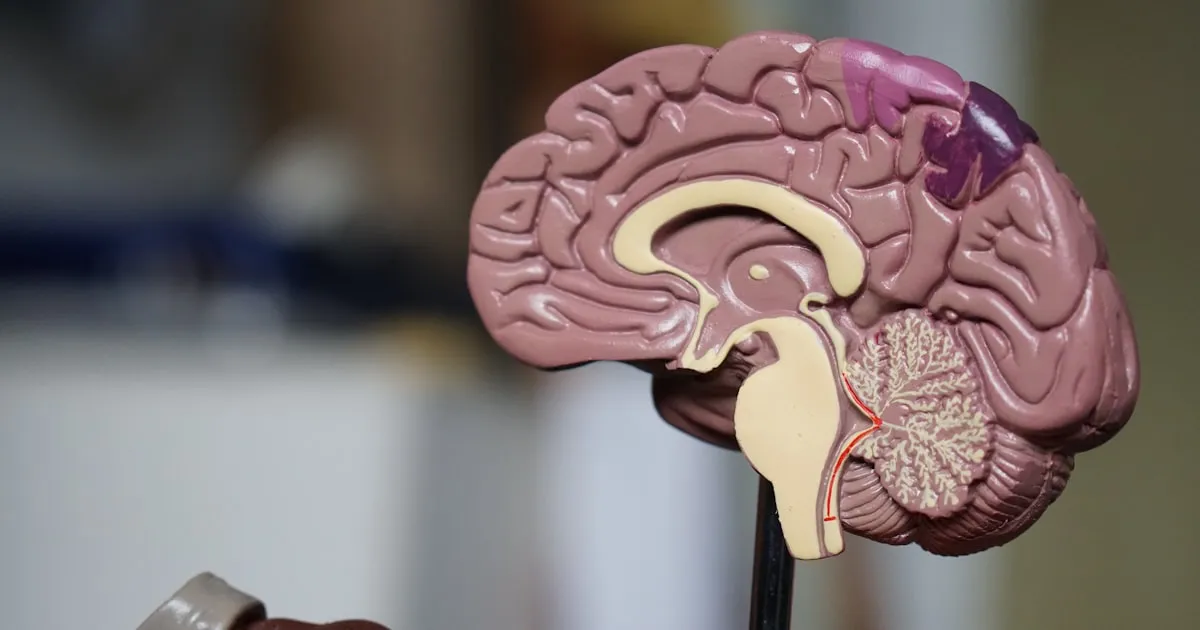
Children with hydrocephalus, craniosynostosis, spina bifida, or brain tumours may need specialised neurosurgery. This guide covers common paediatric conditions, surgical options, choosing a paediatric neurosurgeon abroad, and costs.
Common Paediatric Neurosurgical Conditions
Children may need neurosurgery for conditions rarely seen in adults:
- Hydrocephalus — excess cerebrospinal fluid (CSF) causing brain pressure; affects 1 in 500 births
- Craniosynostosis — premature fusion of skull sutures causing abnormal head shape; affects 1 in 2,000 births
- Spina bifida/myelomeningocele — spinal cord defect present at birth requiring closure surgery
- Brain tumours — the most common solid tumour in children; medulloblastoma, pilocytic astrocytoma, ependymoma
- Chiari malformation — brain tissue extends into the spinal canal; may need decompression surgery
- Epilepsy — focal cortical dysplasia, tuberous sclerosis, Rasmussen's encephalitis
Hydrocephalus Treatment
Two main surgical options:
- VP shunt — a tube system drains excess CSF from the brain ventricles to the abdominal cavity. Traditional treatment but requires lifelong monitoring (30–40% need revision within 10 years due to blockage or infection)
- Endoscopic Third Ventriculostomy (ETV) — a minimally invasive procedure creating a drainage hole in the ventricle floor. Avoids a permanent shunt; success rate 60–80% in selected cases. Often combined with choroid plexus cauterisation (ETV/CPC) in infants.
Craniosynostosis Surgery
Treatment depends on the type (single vs multiple suture involvement) and age at presentation:
- Endoscopic strip craniectomy — minimally invasive, done before age 4–6 months; requires post-surgical helmet moulding for 6–12 months. Minimal blood loss, shorter hospital stay.
- Open cranial vault remodelling (CVR) — for older babies or complex multi-suture cases; involves reshaping the skull bones. More invasive but definitive correction.
Craniosynostosis surgery is best performed by a team including a paediatric neurosurgeon and a craniofacial plastic surgeon working together.
Brain Tumours in Children
Paediatric brain tumours differ from adult tumours in type, location, and prognosis:
| Tumour | Location | Treatment | 5-Year Survival |
|---|---|---|---|
| Pilocytic astrocytoma (Grade I) | Cerebellum | Surgery (often curative) | >95% |
| Medulloblastoma (Grade IV) | Posterior fossa | Surgery + craniospinal radiation + chemo | 70–80% |
| Ependymoma | Posterior fossa, spinal cord | Surgery + radiation | 50–75% |
| DIPG (Diffuse Intrinsic Pontine Glioma) | Brainstem | Radiation (palliative); limited surgical role | <10% |
| Craniopharyngioma | Sellar/suprasellar | Surgery ± radiation | >90% |
Paediatric oncology requires a specialised multidisciplinary team. When seeking treatment abroad, verify the centre has a dedicated paediatric neuro-oncology tumour board.
Choosing a Paediatric Neurosurgeon Abroad
- Paediatric-specific training — fellowship in paediatric neurosurgery (not just general neurosurgery)
- Paediatric ICU — the hospital must have a dedicated paediatric intensive care unit, not just a shared adult ICU
- Paediatric anaesthesia team — children require specialised anaesthetic management; ask about their paediatric anaesthesia staffing
- Child-friendly facilities — play areas, child life specialists, parent stay arrangements
- Case volume — centres performing 100+ paediatric neurosurgery cases/year have better outcomes
Cost Comparison
| Procedure | India | Thailand | USA |
|---|---|---|---|
| VP shunt insertion | $2,000–$4,000 | $5,000–$8,000 | $25,000–$40,000 |
| ETV/CPC | $2,500–$5,000 | $6,000–$10,000 | $30,000–$45,000 |
| Craniosynostosis (endoscopic) | $3,000–$6,000 | $8,000–$15,000 | $30,000–$60,000 |
| Craniosynostosis (open CVR) | $5,000–$10,000 | $12,000–$20,000 | $50,000–$100,000 |
| Brain tumour excision | $5,000–$12,000 | $15,000–$25,000 | $50,000–$100,000 |
Related Treatment Guides

Looking for the best hospital?
Let our experts help you find the right hospital for your treatment. Get a free consultation today.