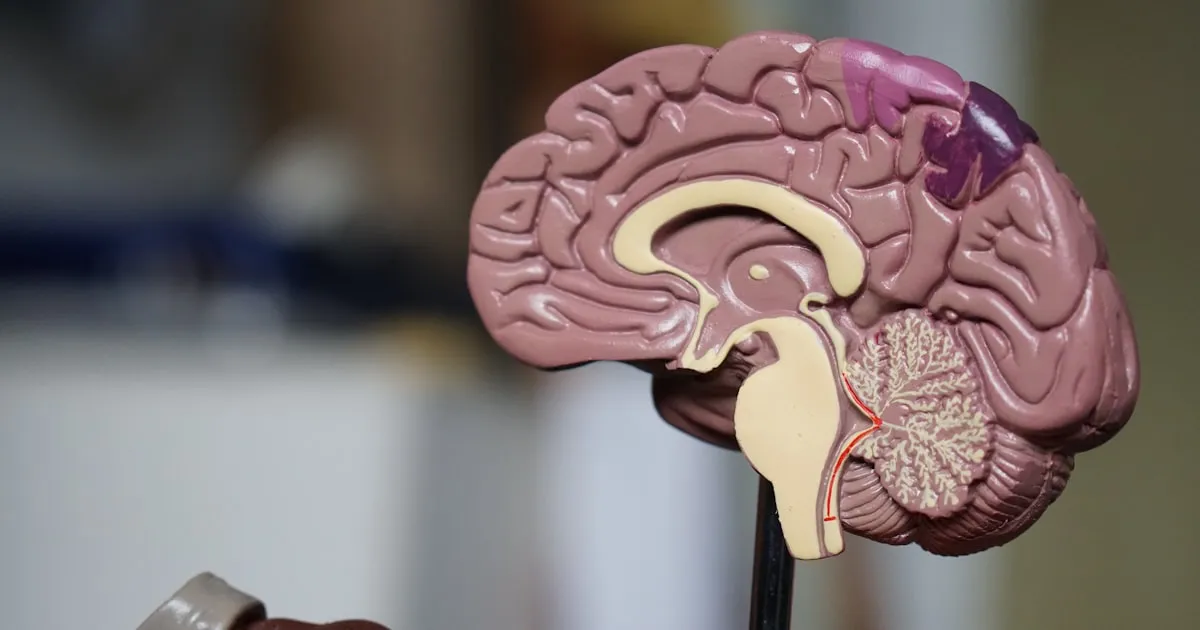
A comprehensive guide to brain tumour surgery overseas — craniotomy vs awake surgery vs Gamma Knife, how surgeons map critical brain areas, typical recovery, costs ($5K–$20K in India vs $50K–$100K in the US), and choosing the right neurosurgeon.
Types of Brain Tumour Surgery
The choice of surgical approach depends on the tumour type, size, location, and grade:
- Open craniotomy — the most common approach; a section of skull is temporarily removed to access the tumour. Used for gliomas, meningiomas, and metastases in accessible locations.
- Awake craniotomy — the patient is woken mid-surgery so the surgeon can map language and motor areas in real-time. Critical for tumours near eloquent (functional) brain regions.
- Endoscopic/minimally invasive — keyhole approaches through the nose (transsphenoidal) for pituitary tumours, or small burr holes for intraventricular tumours.
- Stereotactic radiosurgery — non-invasive; Gamma Knife or CyberKnife delivers focused radiation beams to small tumours (typically <3cm).
Pre-Surgical Planning & Mapping
Modern neurosurgery relies on advanced imaging and navigation:
- Functional MRI (fMRI) — maps brain areas controlling movement, speech, and vision to plan the safest surgical corridor
- Diffusion Tensor Imaging (DTI) — visualises white matter tracts to avoid damaging connections between brain regions
- Neuronavigation — GPS-like system in the operating room that overlays pre-operative imaging onto the patient's anatomy in real time
- Intraoperative MRI (iMRI) — some centres perform MRI during surgery to verify complete tumour removal
Awake Craniotomy Explained
An awake craniotomy sounds frightening but is a well-established technique. During the critical mapping phase, you'll be asked to name objects, count, move limbs, or read sentences. If stimulation of a brain area causes speech hesitation or weakness, the surgeon knows to preserve that zone.
The procedure has three phases: asleep (for skull opening), awake (for mapping and tumour removal near critical areas), and asleep again (for closure). Patients report minimal discomfort as the brain itself has no pain receptors.
Gamma Knife vs CyberKnife
| Feature | Gamma Knife | CyberKnife |
|---|---|---|
| Radiation source | 192 cobalt-60 sources | Linear accelerator on robotic arm |
| Head frame | Yes (screwed to skull) | No (frameless, mask-based) |
| Accuracy | 0.15mm | 0.5mm |
| Best for | Brain-only lesions, acoustic neuroma, AVM, small metastases | Brain + spine + body tumours |
| Sessions | Usually single-session | 1–5 sessions (hypofractionated) |
| Cost (India) | $3,000–$5,000 | $4,000–$7,000 |
| Cost (US) | $25,000–$50,000 | $30,000–$60,000 |
Recovery Timeline
- Day 1–2: ICU monitoring; neurological checks every 2 hours; CT scan to check for bleeding
- Day 3–5: Transfer to ward; physiotherapy begins; steroid tapering starts
- Week 1–2: Staple/suture removal; gradual increase in walking and daily activities
- Week 3–4: Most patients can fly home (with neurosurgeon clearance); avoid heavy lifting
- Month 1–3: Follow-up MRI at 6–8 weeks; possible start of adjuvant radiation or chemotherapy (for malignant tumours)
Cost Comparison by Country
| Procedure | India | Thailand | Turkey | USA |
|---|---|---|---|---|
| Open craniotomy | $5,000–$12,000 | $15,000–$25,000 | $10,000–$18,000 | $50,000–$100,000 |
| Awake craniotomy | $7,000–$15,000 | $18,000–$30,000 | $12,000–$22,000 | $70,000–$120,000 |
| Gamma Knife | $3,000–$5,000 | $8,000–$12,000 | $5,000–$8,000 | $25,000–$50,000 |
| Pituitary surgery (endoscopic) | $4,000–$8,000 | $10,000–$18,000 | $8,000–$14,000 | $40,000–$80,000 |
Choosing a Neurosurgeon Abroad
- Sub-specialisation — choose a surgeon who specialises in your tumour type (skull base, glioma, paediatric)
- Case volume — surgeons performing 50+ brain tumour operations per year have better outcomes
- Technology — neuronavigation, intraoperative monitoring, access to iMRI or 5-ALA fluorescence
- Tumour board — your case should be discussed by a neuro-oncology team (neurosurgeon, radiation oncologist, medical oncologist, neuropathologist)
Related Treatment Guides
Looking for the best hospital?
Let our experts help you find the right hospital for your treatment. Get a free consultation today.