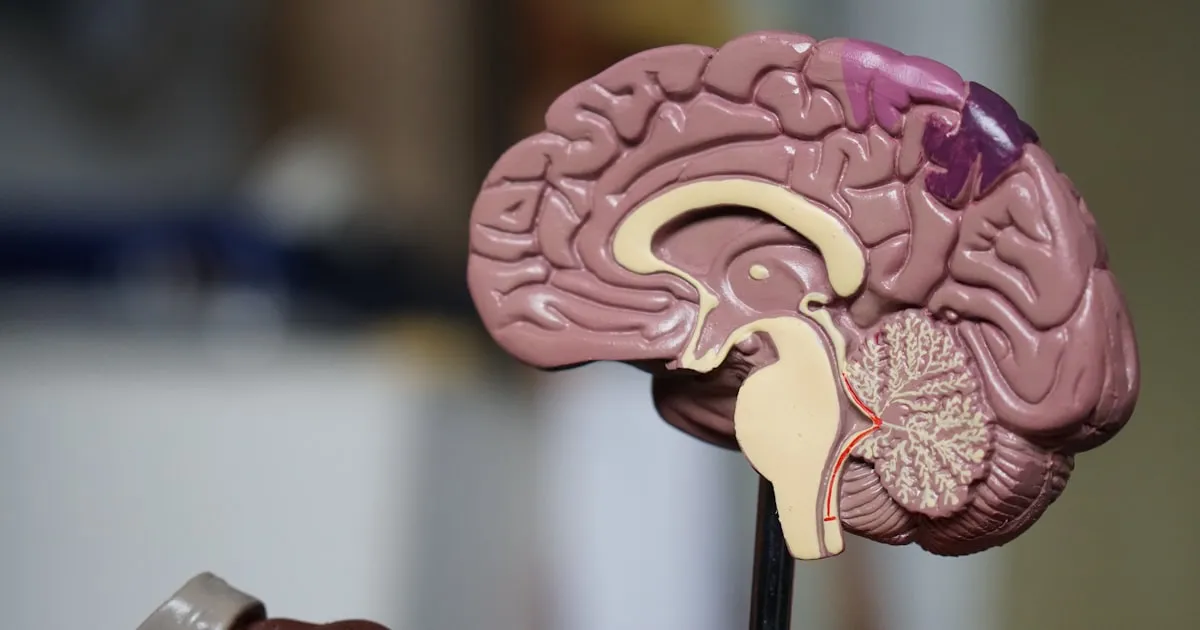
About one-third of epilepsy patients are drug-resistant. Surgery can cure or significantly reduce seizures. This guide covers pre-surgical evaluation, resective vs palliative surgery, VNS implants, costs ($8K–$18K in India), and seizure-freedom rates.
When Surgery Is Considered
Epilepsy surgery becomes an option when a patient has drug-resistant epilepsy — defined as failure of two or more appropriately chosen anti-seizure medications at adequate doses. This affects approximately one-third of all epilepsy patients.
Studies show that early surgical referral (within 2 years of drug failure) leads to better outcomes. Yet patients wait an average of 20 years before being evaluated for surgery — a gap that medical tourism can help close.
Pre-Surgical Evaluation
The evaluation determines whether surgery is safe and identifies the exact seizure-producing brain region:
- Video-EEG monitoring (5–10 days): continuous EEG recording with video — captures multiple seizures to localise their electrical origin
- High-resolution MRI (3 Tesla): identifies structural abnormalities (hippocampal sclerosis, cortical dysplasia, tumours, cavernomas)
- PET scan: shows areas of reduced brain metabolism between seizures (hypometabolism correlates with seizure focus)
- Neuropsychological assessment: maps cognitive functions to assess surgical risk to memory and language
- Wada test or fMRI: determines language and memory dominance in the brain
- Invasive monitoring (if needed): stereo-EEG (SEEG) — depth electrodes implanted to map seizures when non-invasive tests are inconclusive
Types of Epilepsy Surgery
| Surgery | Best For | Seizure-Free Rate |
|---|---|---|
| Anterior temporal lobectomy | Temporal lobe epilepsy with hippocampal sclerosis | 60–80% |
| Lesionectomy | Seizures caused by tumours, cavernomas, or focal cortical dysplasia | 60–90% (depends on lesion) |
| Corpus callosotomy | Drop attacks (atonic seizures), Lennox-Gastaut syndrome | Not curative; reduces drops by 70–90% |
| Hemispherectomy | Severe childhood epilepsy affecting one hemisphere (Rasmussen's) | 70–85% |
| VNS (Vagus Nerve Stimulator) | Patients not suitable for resective surgery | 50% achieve ≥50% seizure reduction |
| Laser ablation (LITT) | Small, deep lesions (e.g., hypothalamic hamartoma, mesial temporal) | 50–65% |
Success Rates and Outcomes
For the most common procedure — anterior temporal lobectomy for mesial temporal sclerosis — outcomes are well established:
- Seizure freedom: 60–80% at 1 year, 50–60% at 10 years
- Quality of life: significant improvement in employment, driving ability, independence
- Medication reduction: 30–50% of seizure-free patients can taper off medication after 2 years
- Memory: some verbal memory decline is common after left temporal surgery (usually mild and compensated)
Cost Comparison by Country
| Procedure | India | Thailand | USA |
|---|---|---|---|
| Pre-surgical evaluation (complete) | $3,000–$8,000 | $5,000–$12,000 | $20,000–$50,000 |
| Temporal lobectomy | $5,000–$10,000 | $12,000–$20,000 | $50,000–$100,000 |
| SEEG (invasive monitoring) | $4,000–$8,000 | $8,000–$15,000 | $30,000–$60,000 |
| VNS implantation | $8,000–$12,000 | $12,000–$18,000 | $30,000–$50,000 |
Life After Epilepsy Surgery
- Hospital stay: 5–7 days for resective surgery; 1–2 days for VNS
- Recovery: most patients return to normal activities within 4–6 weeks
- Driving: varies by country; typically require 6–12 months seizure-free
- Follow-up: EEG and MRI at 3, 6, and 12 months; medication adjustments every 6 months
- Flying: generally safe 2–3 weeks post-surgery if wounds have healed
Related Treatment Guides
Looking for the best hospital?
Let our experts help you find the right hospital for your treatment. Get a free consultation today.