
Showing 1–20 of 21 hospitals

1 The University of Tokyo Medical School Hospital
7-chōme-3-1 Hongō, Bunkyo City, Tokyo 113-8655, Japan
2 St. Luke’s International Hospital
9-1 Akashichō, Chuo City, Tokyo 104-8560, Japan
3 NTT Medical Centre Tokyo
5-chōme-9-22 Higashigotanda, Shinagawa City, Tokyo 141-8625, Japan
4 Tōkyō Rōsai Hospital
Japan, 〒143-0013 Tokyo, Ota City, Ōmoriminami, 4-chōme−13−21 2F
5 Tokyo Women's Medical University Hospital
8-1 Kawadachō, Shinjuku City, Tokyo 162-0054, Japan
7 The Fraternity Memorial Hospital (Dōai Kinen Byōin)
2-chōme-1-11 Yokoami, Sumida City, Tokyo 130-8587, Japan

8 Tokyo International Ohori Hospital
4-chōme-8-40 Shimorenjaku, Mitaka, Tokyo 181-0013, Japan

9 Tokyo Hikifune Hospital
2-chōme-27-1 Higashimukōjima, Sumida City, Tokyo 131-0032, Japan
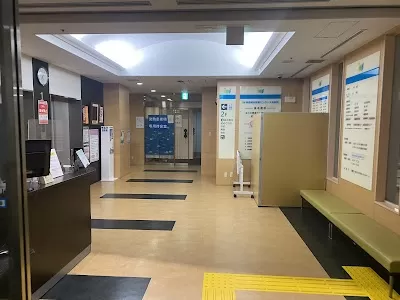

11 Kamata Nephrology & Urology Internal Medicine Clinic
Japan, 〒144-0052 Tokyo, Ota City, Kamata, 4-chōme−15−8 Schloss Bacchus, 6F


13 Osaka Hayashi Urology Clinic , Travel Dialysis in abiko
Japan, 〒558-0013 Osaka, Sumiyoshi Ward, Abikohigashi, 3-chōme−1−1 泰清ビル 2階

14 Toranomon Hospital Kajigaya
1-chōme-3-1 Kajigaya, Takatsu Ward, Kawasaki, Kanagawa 213-0015, Japan


16 Tokyo Metropolitan Tama-Nambu Chiiki Hospital
Japan, 〒206-0036 Tokyo, Tama, Nakazawa, 2-chōme−1−2




Showing 20 of 21
Need help choosing the right hospital?
Our medical experts will guide you — for free.
Nephrology in Japan at a glance
MapHospitals lists 21 hospitals offering Nephrology in Japan.
Hospitals to compare first: Tokyo International Ohori Hospital, Tokyo Hikifune Hospital and Meirikai Tokyo Yamato Hospital.
Estimated costs in Japan
- Dialysis (per session) $60–$144
Estimates from the MapHospitals cost estimator. Final prices depend on the hospital, the doctor and your case.
Frequently Asked Questions
About Nephrology Treatment in Japan
Nephrology is a study that is related to the diagnosis and treatment of kidney diseases that include hypertension and electrolyte disturbances. The care of those requiring renal replacement therapy is usually dialysis and renal transplant patients. A plethora of diseases affecting the kidney are systemic disorders which are not limited to the organ itself, therefore, may require special treatment.
For instance, acquired conditions such as autoimmune diseases, congenital or genetic conditions and systemic vasculitides.
A physician or a healthcare professional who has been trained in the diagnosis as well as the management of kidney disease is known as the nephrologist. A nephrologist will also regulate blood pressure, electrolytes, balance fluids in the body, and manage dialysis. They treat multiple kidney disorders such as acid-base disorders, kidney stones, electrolyte disorders, acute kidney disease, high blood pressure, and end-stage renal disease. Nephrology is a subspecialty of the internal medicine.
Treatments: Dialysis, Lithotripsy, Transplantation, Peritoneal dialysis, Hemodialysis.