
Showing 1–11 of 11 hospitals

1 Mediclinic City Hospital Dubai
Dubai Healthcare City, Building 37, Dubai
2 Kids Heart Medical Center Dubai
Building 64 – Al Razi Block C 3rd Floor, 3017 - أم هرير الثانية - Dubai Healthcare City -...
3 German Heart Centre
2nd Floor - 26th St - Umm Hurair Second - Dubai Healthcare City - Dubai - United Arab Emir...
4 American Heart Center
Block A, Building # 64 - Umm Hurair Second - Dubai Healthcare City - Dubai - United Arab E...
5 Dr Muhamed Shaloob, MBBS (MAHE), MD, DM (Cardiology)
JTS Medical Centre LLC - شارع الثاني من ديسمبر - Jumeirah - Jumeirah 1 - Dubai - United A...
6 Dubai Heart Centre
68W7+M43 - Umm Hureir Road - Al Karama - Dubai - United Arab Emirates
7 Heart First Medical Centre
Block A, Building # 27 Al - شارع الرياض - أم هرير الثانية - Dubai Healthcare City - دبي -...
8 Dr. Tamkeen Kinah – Preventive Cardiologist in Dubai | Heart Diagnosis, Consultation & Check-Up
Mubadala Health Dubai Sunset Mall - Level 1 شارع شاطئ جميرة - Jumeirah - Jumeirah 3 - Duba...
9 Cardiology Department
67H9+XGW - Al Wasl Rd - Al Bada' - Dubai - United Arab Emirates
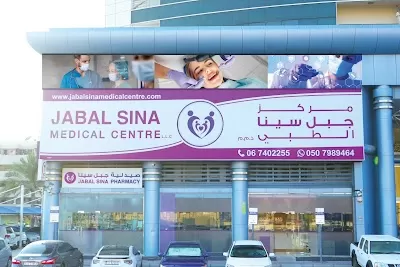
10 Jabal Sina Medical Centre L.L.C
شارع الشيخ عمار بن حميد - Al Rashidiya 3 - Ajman - United Arab Emirates
11 JTS Medical Centre
RESERVED PARKING in Lal Qila Restaurant parking, Jumeirah Terrace Building - 10A St - Jume...
Need help choosing the right hospital?
Our medical experts will guide you — for free.
Frequently Asked Questions
About Cardiology Treatment in Dubai
Cardiology deals with the heart and vascular system. Cardiologists are the one who specializes in cardiology and treat patients who have suffered heart attacks or in other words, cardiac arrests & other conditions. In addition, they also treat the patients who were born with cardiac issues and try to prevent heart disease.
Cardiology is also happened to be one of the most competitive medical specialities. For an individual to qualify as a cardiac surgeon or a cardiologist, surgeons and doctors must complete a cardiac surgery training programme that normally lasts around 5 years which is followed by their initial medical training.
Branches of cardiology:
Non-invasive cardiology - Detecting and diagnosing cardiac problems using latest techniques. Interventional cardiology - Treating heart problems by inserting tubes or catheters into the body of a patient.
However, cardiologists will normally be trained in both interventional and non-invasive techniques and deal with patients who have been fitted with pacemakers.
Treatments: Ablation, Angioplasty & Stenting, Cardiac Rehabilitation. Coronary Artery Bypass Grafting, Heart Transplant, Heart Valve Repair, Heart Valve Replacement, Implantable Defibrillator, Orthopedics Atherectomy.